
Security Insights & Research
Stay updated with the latest WordPress security threats, vulnerabilities, and hardening guides from our experts.

WordPress Security Checklist
A comprehensive 20-point checklist to ensure your WordPress website is fully hardened and protected against attackers.
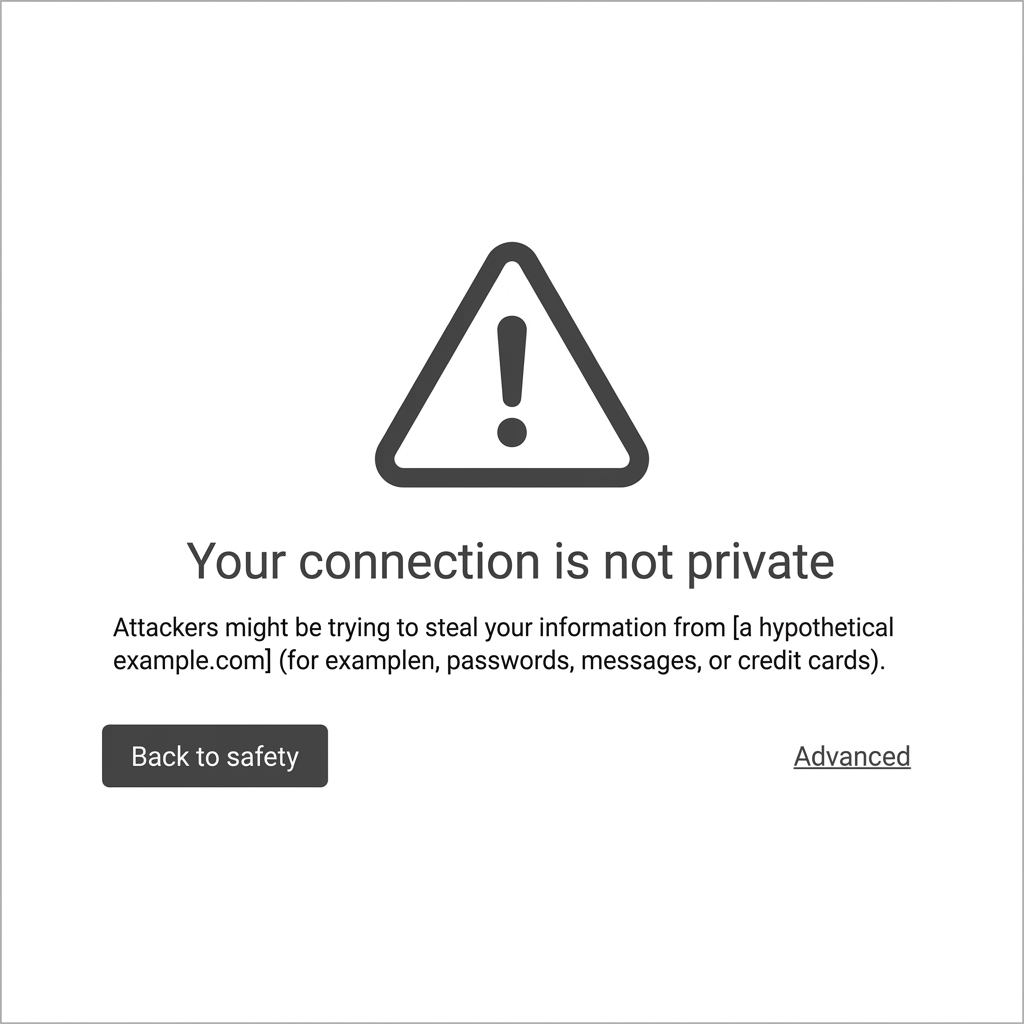
How to Fix "Your connection is not private" (NET::ERR_CERT_AUTHORITY_INVALID)
Fix the frustrating "Your connection is not private" Google Chrome error and restore trust to your website with this complete guide.

Is WordPress Secure? The Honest Truth in 2026
A deep dive into the security of the WordPress core and why millions of sites still get hacked every year.

How to Fix Vulnerabilities in wp-config.php Like a Pro
A detailed analysis and guide on how to secure your wp-config.php and prevent common vulnerabilities from being exploited by hackers.

How to Fix "The site ahead contains harmful programs" Warning in Google Chrome
Getting the Google Chrome harmful programs red screen? Here is how to scan your site, remove the malware, and get the warning removed fast.

The Ultimate Guide to Securing Login Page and Protect Your Users
A detailed analysis and guide on how to secure your Login Page and prevent common vulnerabilities from being exploited by hackers.

The Ultimate Guide to Securing Inactive Plugins in 2026
A detailed analysis and guide on how to secure your Inactive Plugins and prevent common vulnerabilities from being exploited by hackers.

How to Fix Vulnerabilities in WooCommerce Store (Step-by-Step)
A detailed analysis and guide on how to secure your WooCommerce Store and prevent common vulnerabilities from being exploited by hackers.

The Ultimate Guide to Securing Inactive Plugins Using Nexura Security
A detailed analysis and guide on how to secure your Inactive Plugins and prevent common vulnerabilities from being exploited by hackers.

The Ultimate Guide to Securing Theme Files - A Complete Security Guide
A detailed analysis and guide on how to secure your Theme Files and prevent common vulnerabilities from being exploited by hackers.

The Ultimate Guide to Securing File Permissions Using Nexura Security
A detailed analysis and guide on how to secure your File Permissions and prevent common vulnerabilities from being exploited by hackers.

How to Fix 502 Bad Gateway and 503 Service Unavailable
Server overload causing 502 or 503 errors? Learn how to block DDoS attacks and malicious bots to keep your site online.
Never Miss a Security Alert
Get the latest WordPress vulnerability alerts and hardening tutorials delivered straight to your inbox once a week.