
The Frustration of Reinfection
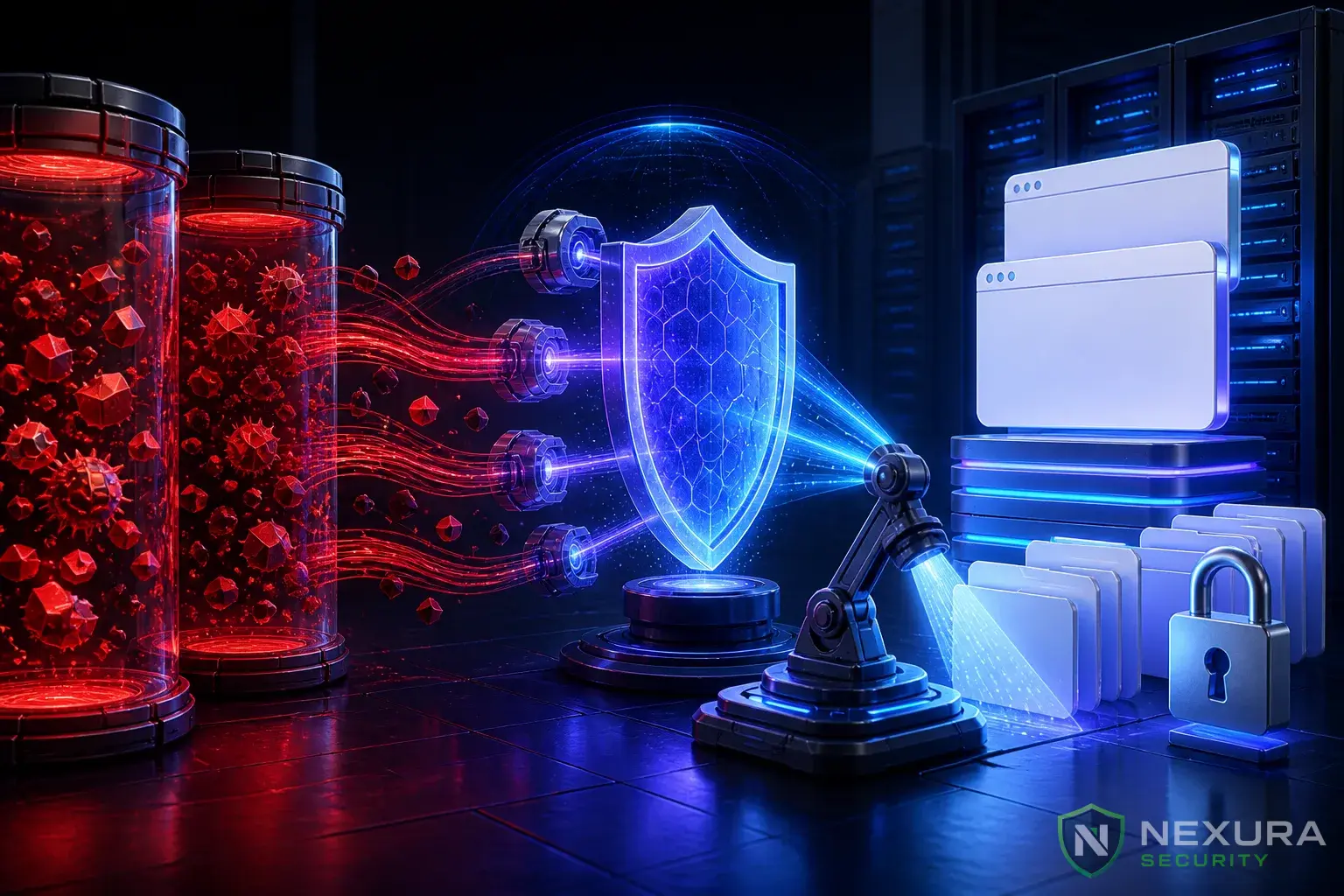
One of the most common complaints in WordPress security is: "I cleaned the malware, but my site got hacked again the next day." If your malware keeps coming back, it means you only treated the symptom, not the root cause. The hackers left a backdoor.
What is a Backdoor?
A backdoor is a piece of code (often disguised to look like a normal WordPress file) that allows a hacker to bypass normal authentication and regain access to your server at any time. Even if you change all your passwords and update your plugins, if the backdoor remains, the hacker can instantly upload new malware.
Need immediate help?
If your site is currently hacked or showing warnings, our incident response team can help right now.
How to Break the Cycle
1. Stop Relying on Basic Scanners
Free or basic security plugins only scan for known malware signatures. Hackers know this, so they obfuscate (scramble) their backdoor code. For example, they might use eval(base64_decode()) to hide a malicious script inside a legitimate-looking image file or a random core file.
You need a scanner that understands code logic, not just signatures. Nexura Security's Smart AST Scanner analyzes what the code actually does, catching zero-day backdoors that other plugins miss.
Upgrade to Nexura Pro
Get enterprise-grade protection. Block zero-day exploits, advanced malware, and brute-force attacks instantly.
LIMITED TIME LAUNCH OFFER
2. Check the wp-uploads Directory
Hackers love to hide PHP backdoors in the wp-content/uploads folder because it's usually ignored during core updates. Since this folder should only contain images and media, any .php file found here is almost certainly a backdoor. Delete them immediately.
3. Audit Your Themes and Plugins
If you are using a "nulled" (pirated) premium plugin or theme, the backdoor was likely built into the code before you even uploaded it. Delete all pirated software immediately and purchase legitimate licenses.
4. The Nuclear Option: Core Reinstall
If you are still struggling, the safest method is a manual core replacement.
- Backup your
wp-config.phpfile and yourwp-contentfolder. - Delete everything else on your server (all core WordPress files).
- Download a fresh copy of WordPress from WordPress.org and upload the new core files.
Locking the Door
Once you are absolutely certain the backdoors are gone, you must enable a Web Application Firewall (WAF) like Nexura to block the initial exploitation attempts that led to the hack in the first place.